Joyful Abundance
Saturday, June 6th, 4pm
Rodeph Shalom
615 N. Broad Street
Philadephia, PA 19106
Join Mendelssohn Chorus of Philadelphia for an extraordinary afternoon of world premieres as we present Joyful Abundance, featuring five original choral works created by emerging Philadelphia composers and poets. This groundbreaking concert pairs these exciting new compositions with Randall Thompson's beloved Testament of Freedom, creating a powerful dialogue between past and future.
As part of ArtPhilly: What Now: 2026—a city-wide festival celebrating the 250th anniversary of the birth of our country—this concert asks vital questions about America's past, present, and future through the voices of a new generation of artists.
Joyful Abundance represents more than a concert—it's our answer to What Now? Through mentorship with established Philadelphia composers and poets these emerging voices have crafted works that illuminate shared human experiences while celebrating our city's varied creative landscape.
Each composer-poet team will briefly share their creative process, followed by the poet's recitation of their original work, before the choral performance brings the collaboration to life. This unique format offers audiences intimate insight into how these new voices are addressing the challenges and possibilities of our time.
Joyful Abundance launches what will become a permanent bi-annual program, funded in part by the Alan Harler New Ventures Fund, supporting Philadelphia's emerging composers and poets, creating a lasting legacy that extends far beyond this season.
This project is supported in part by donations made to the Alan Harler New Ventures Fund, ArtPhilly, and The Musical Fund Society of Philadelphia.
Meet the Artists
Learn more about the selected artists, and the inspirations and challenges that went into the creation of these new works!
What question about America's past, present, or future were you most compelled to explore through your piece?
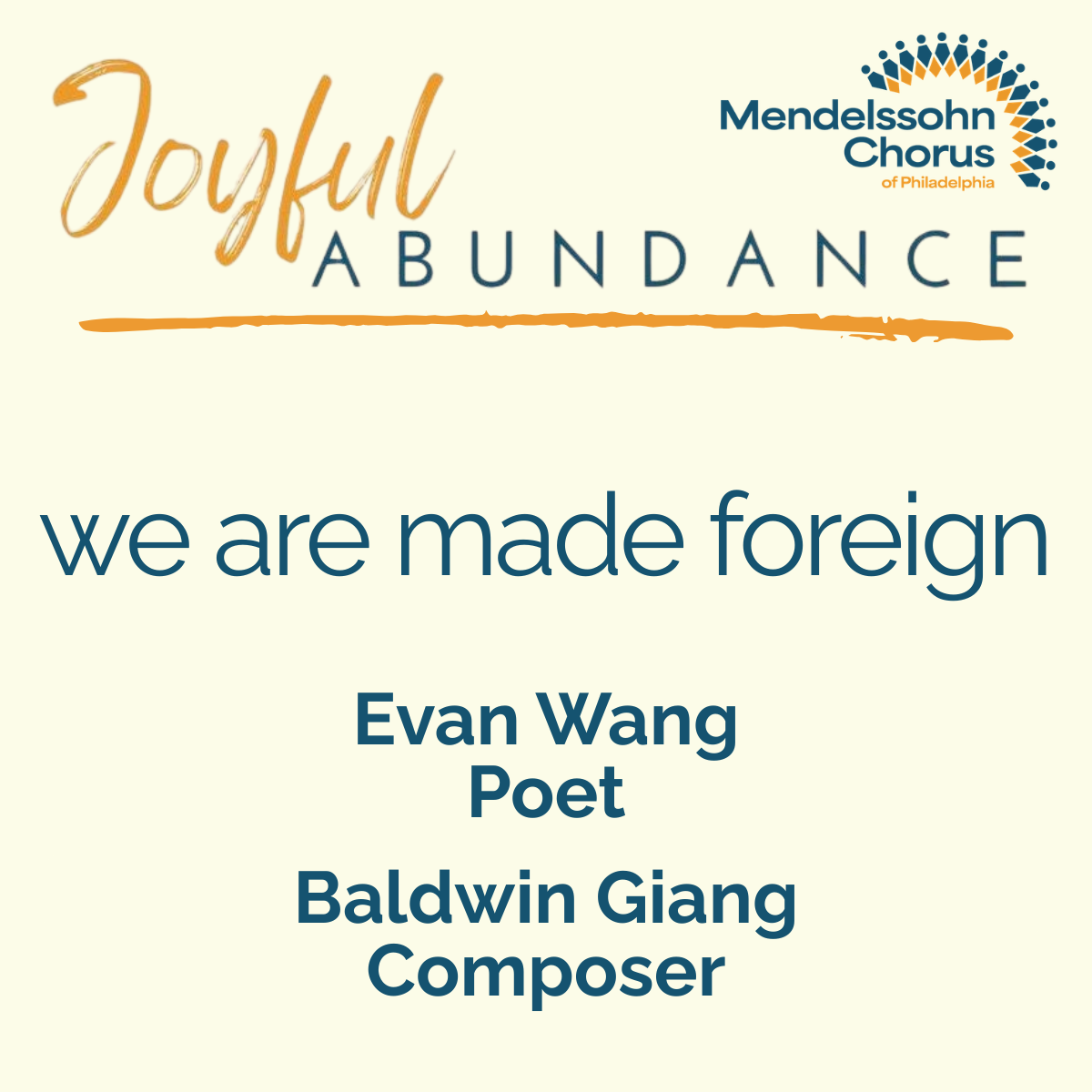
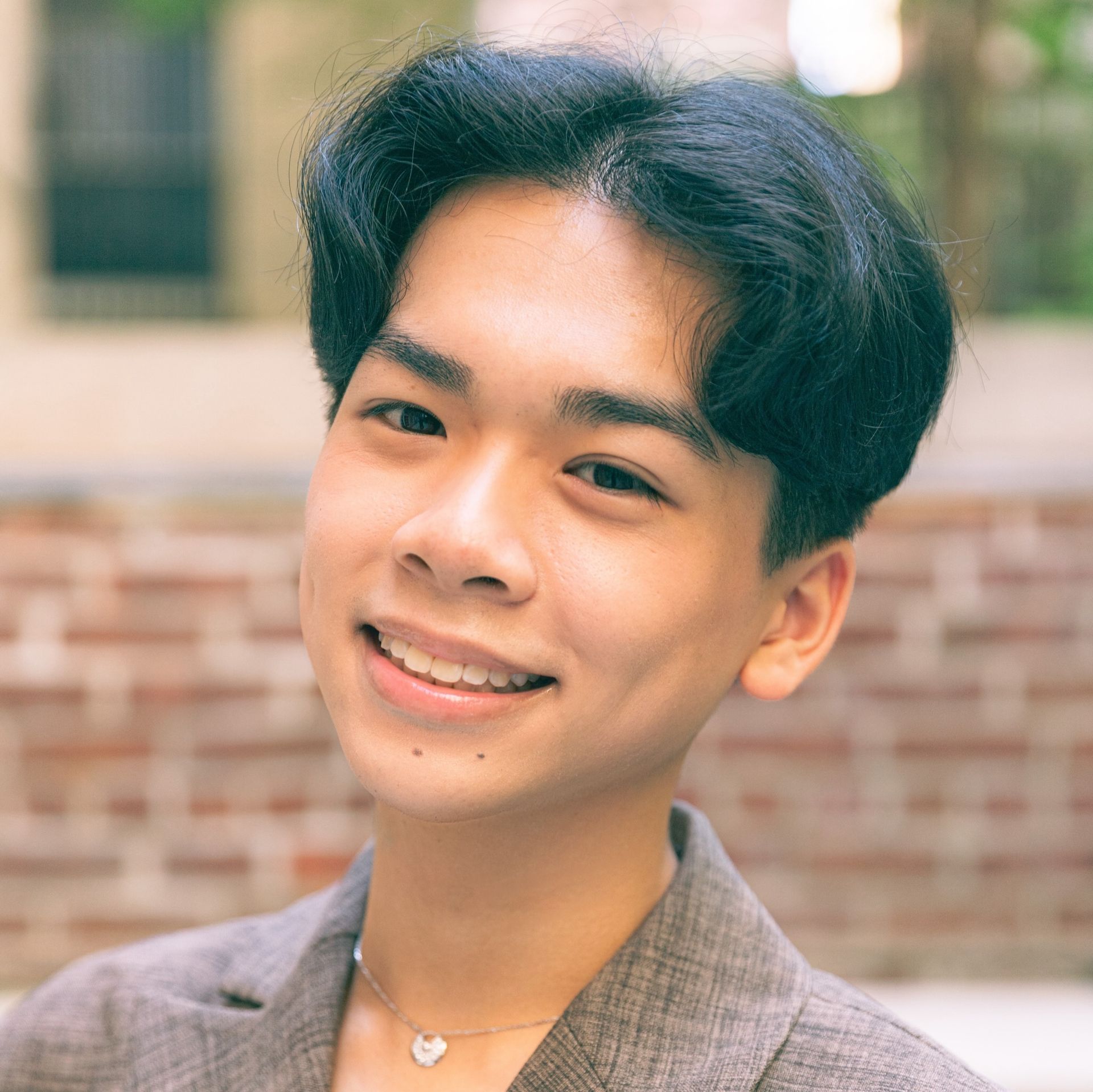
Evan: “Loving You From a Foreign Country” merges culture, history, and physical distances to answer the question America has made of queer bodies. Whether they deserve significance, love, or breath. Here is a story you think can be understood. Here is a story that cannot be entered, only felt.
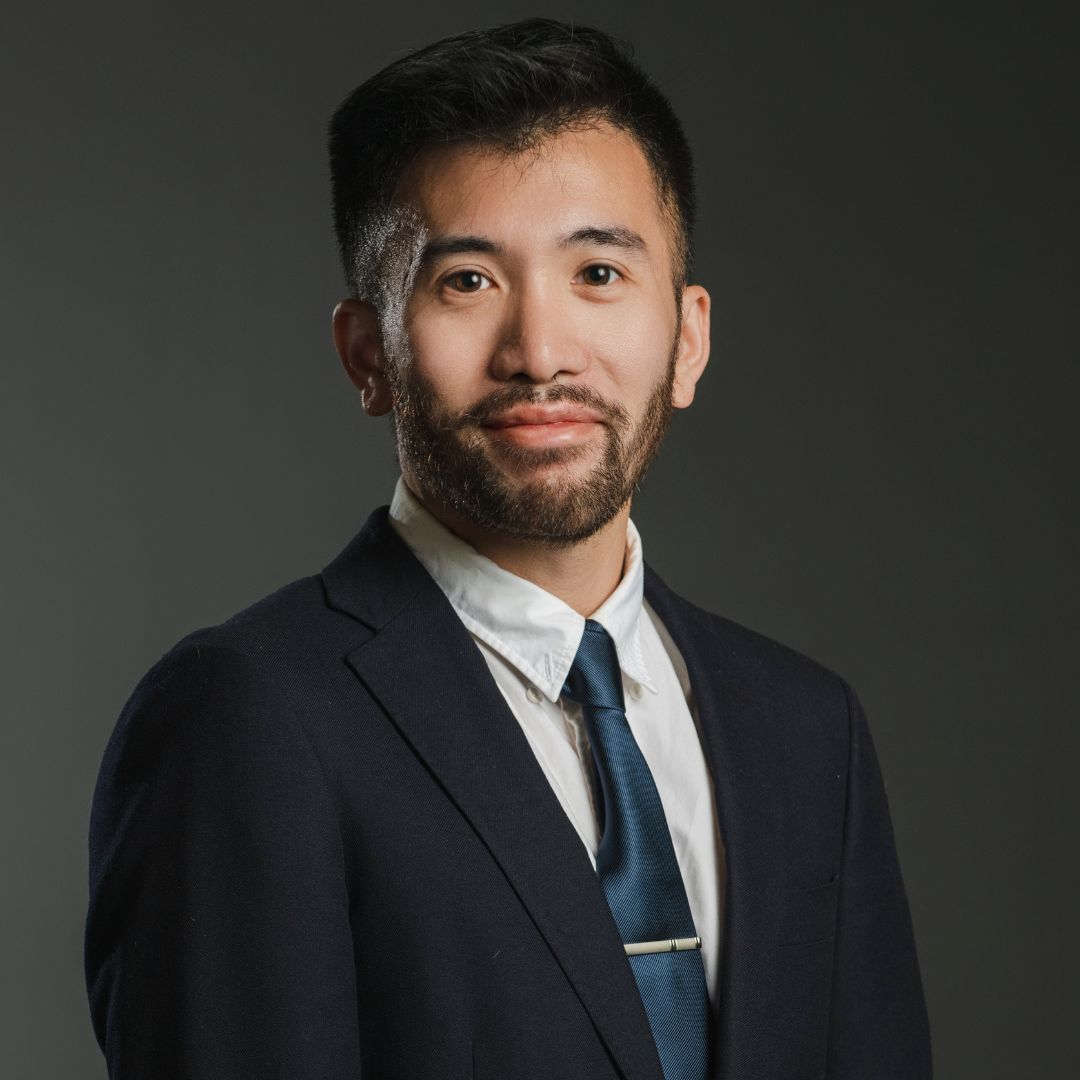
Baldwin: I think we can all agree that America's past, present, and future is made up of immigrants. Evan's text is about loving someone from afar, and the relationship between love and otherness. Through the music, I really wanted to explore an emotional landscape when we as a collective society, and not just as individuals, make space for desire and belonging for all people in America.
What surprised you most about collaborating with your composer/poet partner?
Baldwin: Evan is incredibly talented and also incredibly young. We have a similar background in many ways, we're both queer, Asian, of Chinese descent (at least in part), from the Philadelphia area, and inhabiting similar educational spaces. But there's also quite a large age gap, he's just finished his first year of undergraduate studies and I've just finished my first year as a university professor. I was surprised by his maturity, commitment to his vision, and also openness to revision.
Was there a moment in the process — a line, a chord, an image — where you felt the piece truly come alive?
Evan: The heart of the piece came alive when the title settled. As a poet who prefers shorter titles, “Loving You From a Foreign Country” marked a shift in my expression. It was precise and explored a topic I never previously thought to examine. So much of poetry is about either diaspora or queerness, but rarely do we acknowledge the intersection of both. As a result, the title breathed new life into the piece, calling upon the intersection of English and Mandarin.
Baldwin: For me, the line that came in the second draft of the piece I saw, "we are made foreign," and which ends Evan's text, was the key to composing the piece. With this line which gestures towards the collective, it really made sense to me why this text should be a piece for choir and not an art song for solo singer and accompaniment. There is also a beautiful line "Smoking between mountains, I softly exhale our 烟火 [smoke and fire, idiom which refers to human condition]." The smoke imagery made me think of the "smoky" timbres that can be evoked easily with the low and middle registers of the bass flute, which is featured along with the choir in my piece.
What do you hope someone in the audience is thinking or feeling in the moments after your piece ends?
Evan: I do not want the audience to understand. I want there to be confusion; to be an invitation for revisitation. Alongside the audience’s wandering thoughts should be a lingering silence that acknowledges distance, yearning, and shared stories. The moment should feel tender and fragile, as if a soft language had just been spoken and any other word could shatter it.
What surprised you most about collaborating with your composer/poet partner?
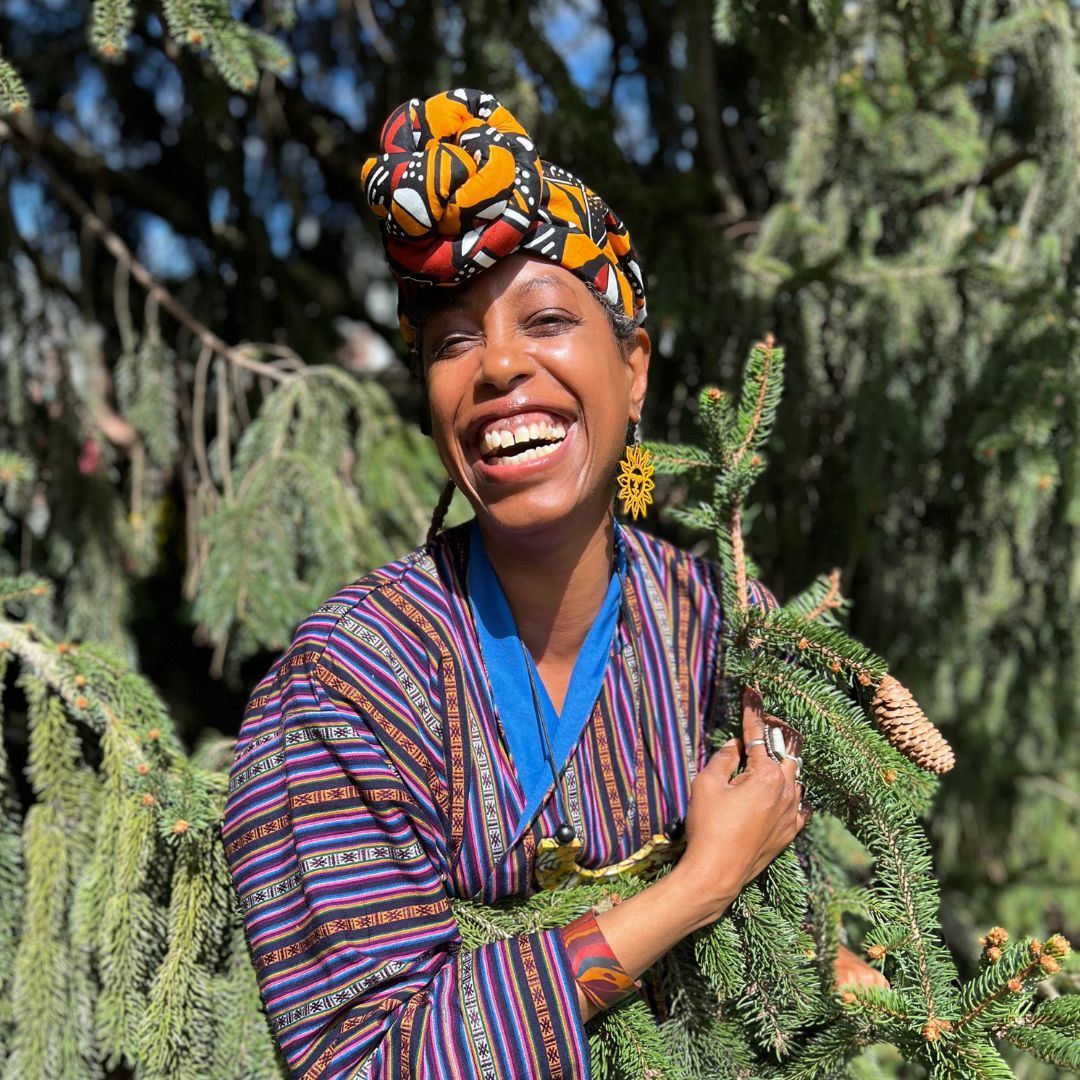
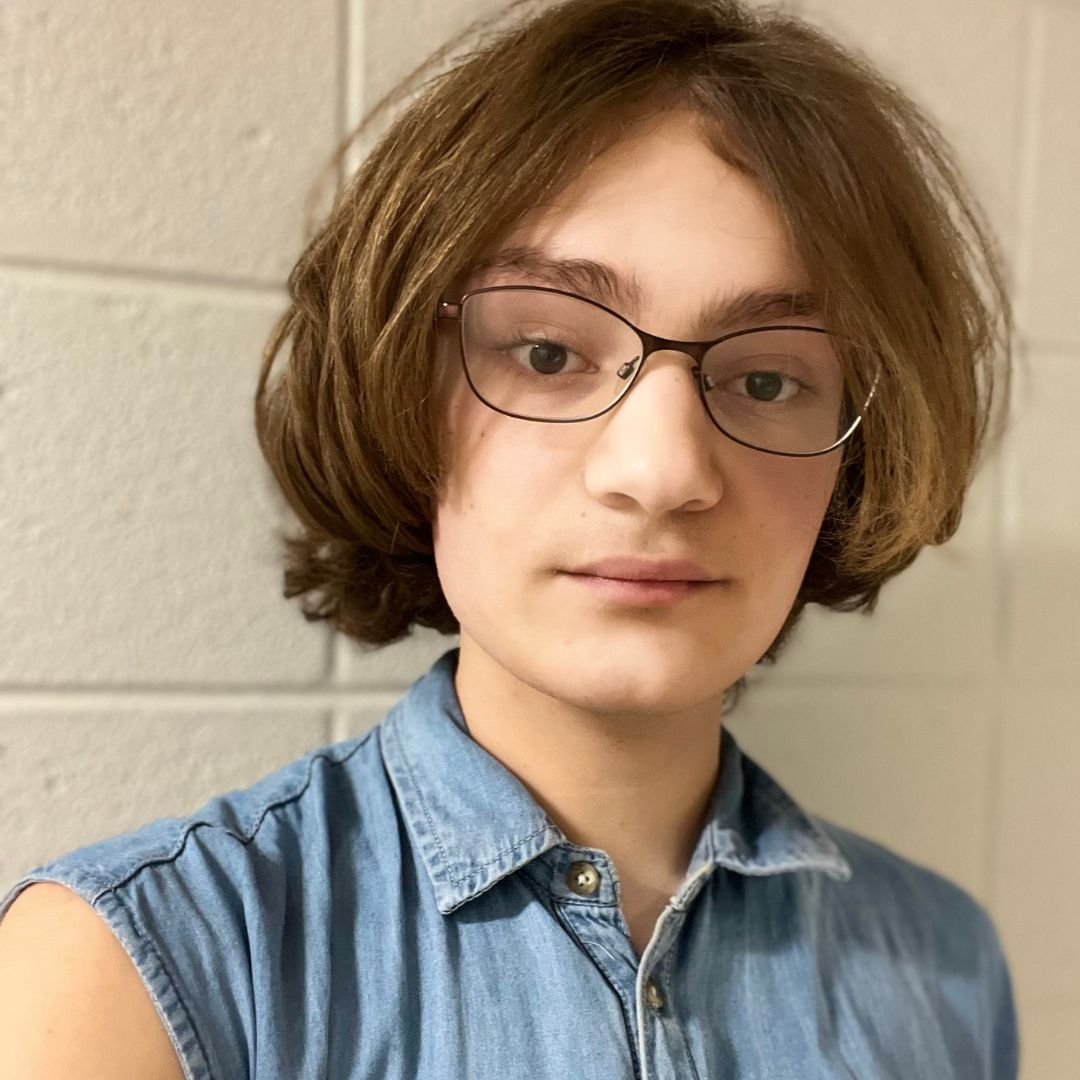
Naila: I was surprised by how challenging this process was for me. I do not have any particular facility with music, technical or otherwise. And Barbara skillfully filtered all of her ideas and thoughts through her composing expertise. I was often at a loss for how to respond in a way that might be helpful or supportive of the process. I was also stumped at first to even begin writing, spending a lot of time in my head, wondering how exactly one goes about writing a poem that will become a choral text. Elizabeth, my mentor, was incredibly helpful in getting me to simply start writing and let go of the rest. Then, in the editing process, she worked with me to help shorten my poem’s overall length, reminding me that shorter phrases and fewer syllables are easier for a choir to sing. And I trusted Barbara to take my words and give them the compositional home they called for.
Barbara: I was surprised by how much we were able to achieve in a single meeting together. Being in a room together with a piano, analyzing the text together, and translating the text and subtext into music notes was extremely productive.
What question about America's past, present, or future were you most compelled to explore through your piece?
Naila: I think these times and where we are headed call for a more embodied way of listening, visioning and problem-solving than the intellect can grasp. The relentless pursuit of growth and progress and the value we place on hyper-individualism have severed our relational ways of being, with each other and the more-than-human world. How can we repair and restore our ruptured connection with the living body of the Earth, of which we are a part? I believe our future greatly depends on surrendering our human supremacy to return to our original intimacy with the living Earth.
What do you hope someone in the audience is thinking or feeling in the moments after your piece ends?
Naila: I am so enchanted by the natural world, and my piece speaks to that. I hope the audience feels that sense of wonder and reverence … and that maybe this piece also allows them to take some slow, deep breaths, to — even if it’s for a moment — inhabit a different pace than the frenzy and overwhelm that dominates so many of our days.
Barbara: I hope that the audience leaves the piece with a similar understanding and appreciation of the poetry that comes from several readings - That the depth found in the repeated reading of the words can be conveyed in a single listen to this musical interpretation.
Was there a moment in the process — a line, a chord, an image — where you felt the piece truly come alive?
Barbara: While in the writing room with Naila, I found myself particularly drawn to the combination of, "Go slow here, let small steps carry you" in combination with major add2 chords. This led to the unexpected integration of add2 chords, major and minor, throughout the piece, culminating a final cadence that plays on this expectation. I can only hope this affects the listener as it does me.
What surprised you most about collaborating with your composer/poet partner?
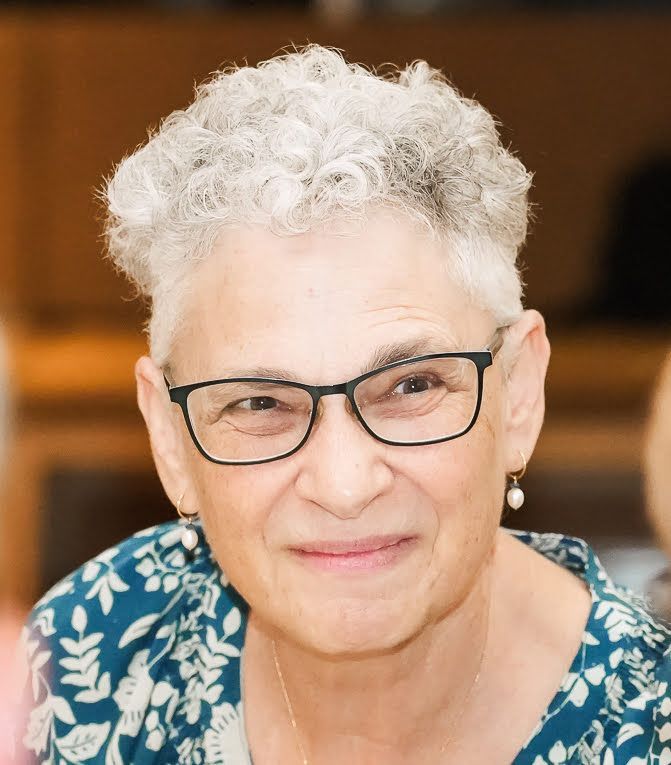
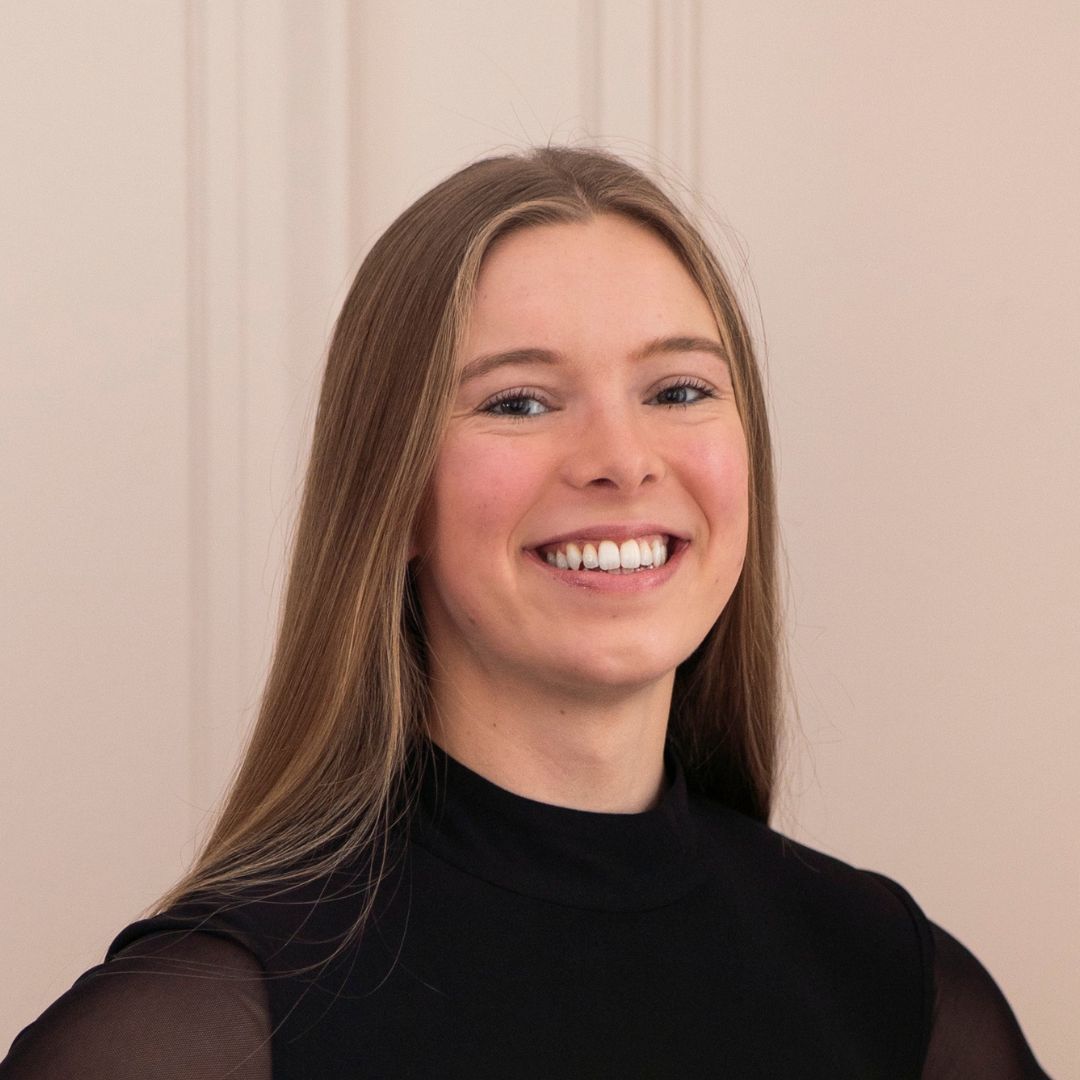
Amy Beth: Certain sounds are easier to sing than others. Initially, I tried to rely on beautiful sounds, but I found it was important to include words that are less felicitous to sing. I was really excited by the way Leigha handles the word “necessary” to create almost a hiss. She respects the poem and uses sound to relate to the themes of “What Now?”
Leigha: I was delighted to learn how familiar Amy Beth was with choral music, and how conscientious she was about the sounds of the words that she chose from the declaration. Her awareness of structure and form in her poetry relates well to how I think about musical form.
Was there a moment in the process — a line, a chord, an image — where you felt the piece truly come alive?
Leigha: After the repetition of the word necessary, the text returns to the opening words: "we hold." To me, this juxtaposition implies that it's "necessary [that] we hold..." For this instance of the words "we hold," I chose the warmest version of the harmony, and my mentor Erin encouraged me to add some lower notes in the basses. Of all of the things that "we hold" could mean in this poem, this instance represents to me the warmth and care that people can strive to have for one another.
What question about America's past, present, or future were you most compelled to explore through your piece?
Amy Beth: I chose the name for this festival, “What Now?” as the title of my piece because it is an excellent question and it brings me into a larger conversation. It's also what I asked myself when I learned that my composer, Leigha Amick, hoped to write a piece that engaged with the Declaration of Independence. I wasn't sure if I had the fortitude to foreground that document during this time in our country's history, but I'm so glad she gave me a gentle nudge.
Leigha: I was interested in reflecting on what the Declaration of Independence means to us in 2026, and which of its ideas have the potential to unite us rather than divide us. Amy Beth was gracious to explore the Declaration as source material for her poem. She teased out words and reconstructed them in a way that made me consider each word with new insight. I was particularly intrigued by how she treated "we hold these to be." Each repetition of a portion of the phrase invites a different angle of meaning, and I attempted to depict the meanings that I interpreted in the poem through the use of tension and release in the music.
What does it mean to you to be premiering new work in Philadelphia during this particular moment in our country's history?
Amy Beth: It feels apt to sing this piece in Philadelphia where we can face our imperfect history. Here we can visit Independence Hall where the Declaration was signed but we can also cross the street to visit the partially restored exhibit "Freedom and Slavery in the Making of a New Nation" at the President's House, which was taken down last year by executive order. The fight is ongoing to fully restore this exhibit at the ruins of the house where President George Washington lived with the African people he enslaved. Only if we face up to our historical failings with a clear eye can we grow our imagination to create a vision of a better future.
What do you hope someone in the audience is thinking or feeling in the moments after your piece ends?
Amy Beth: I used words from the Declaration in the order in which they appear with a single exception. In one spot, I changed "course of human" to “of course human”. In this time when our government and institutions are dehumanizing so many of us, I hope the words “of course human” set to Amick’s thoughtful music and premiered by the venerable Mendelssohn chorus will ring in the minds of the audience.
Grammy-nominated percussionist-composer collaborates with poet exploring African Diaspora experiences
What surprised you most about collaborating with your composer/poet partner?
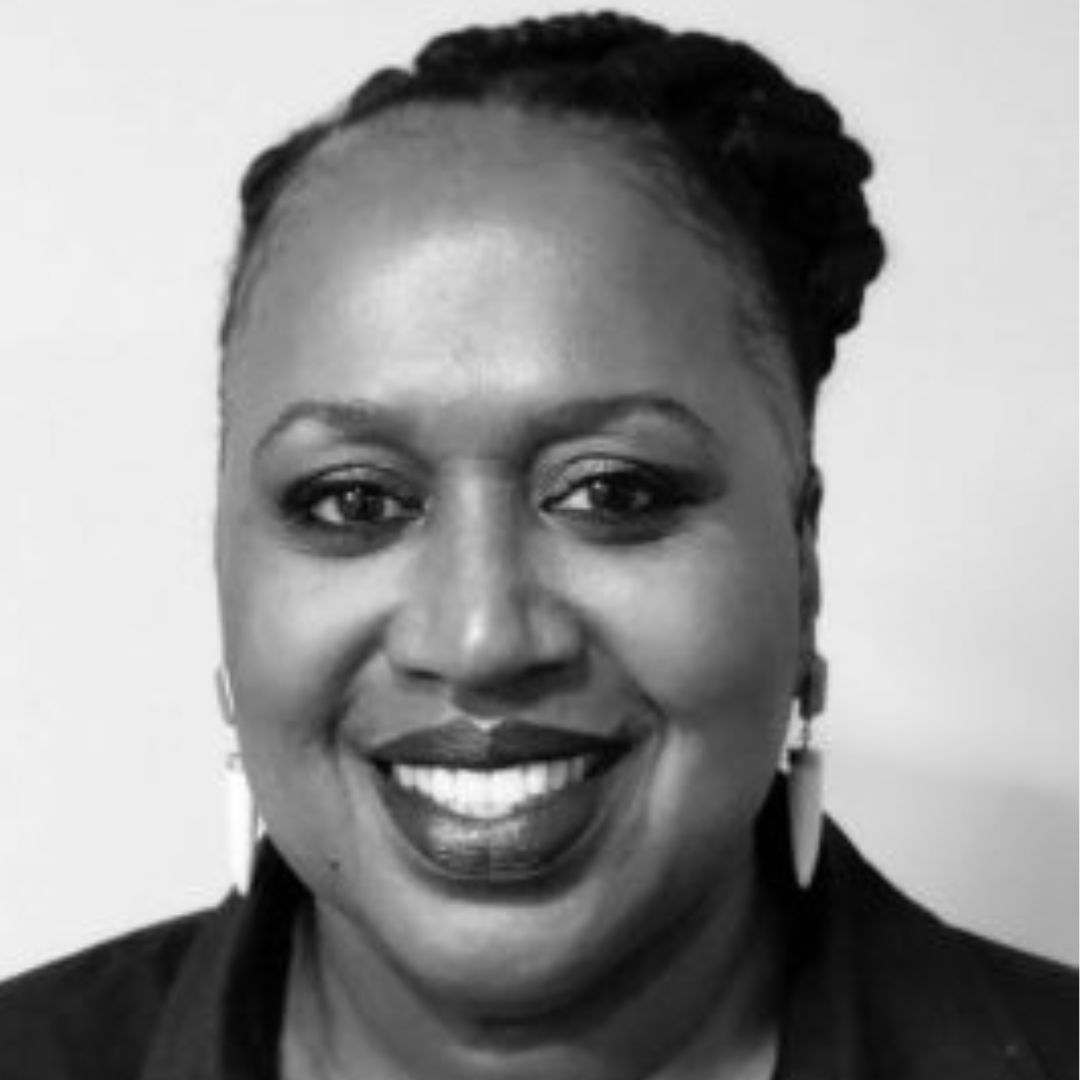
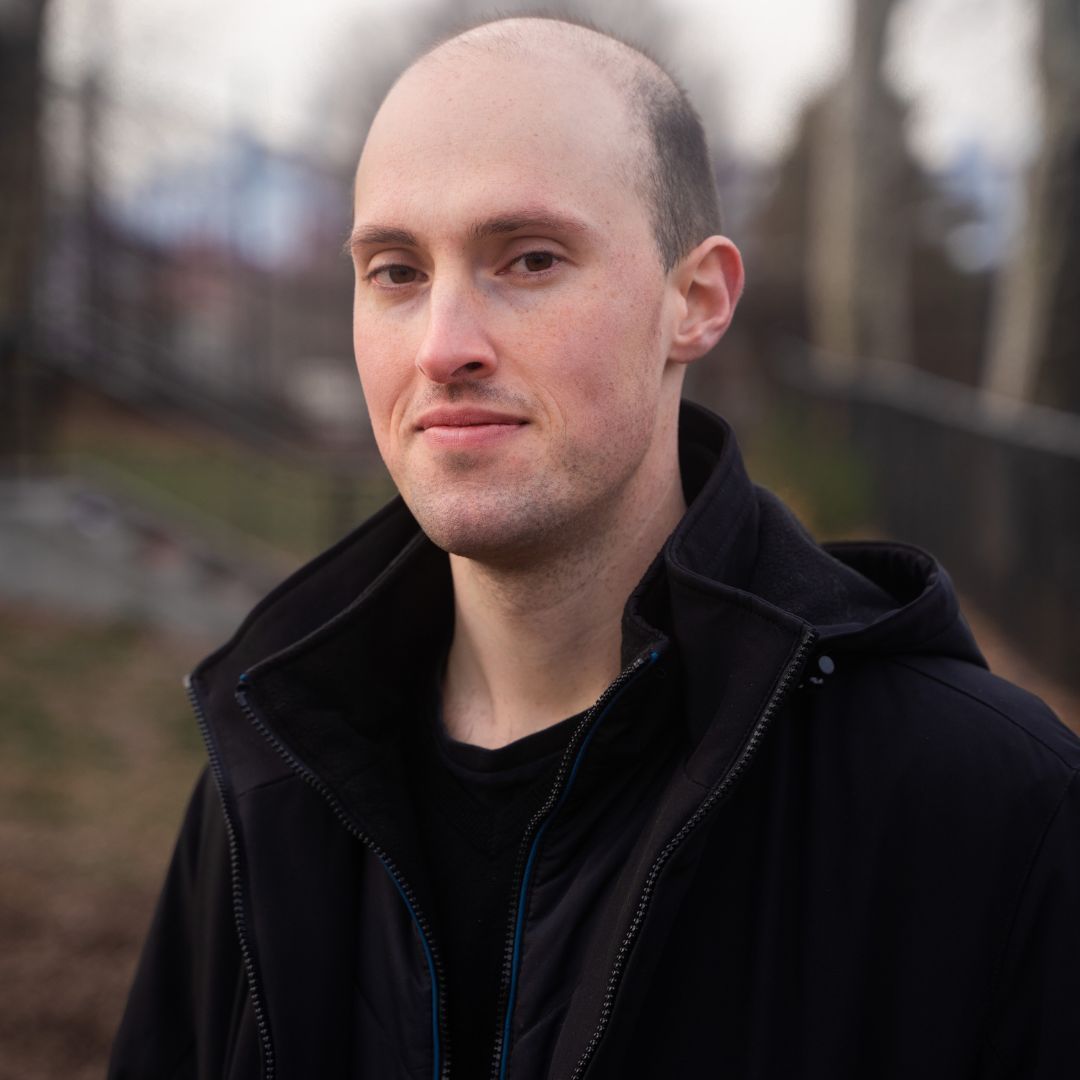
Octavia: What surprised me most was how each collaborator opened the work in different ways. Ted Babcock, the composer, deepened its emotional and sonic life, while my poet mentor, Kirwyn Sutherland, sharpened its language and clarity. Together, they helped me see the piece more fully than I could on my own.
Ted: How easy it was! Octavia is a great sport and very flexible. She was truly a joy to work with!
Was there a moment in the process — a line, a chord, an image — where you felt the piece truly come alive?
Ted: There were so many! One that really stuck out to me was the phrase 'the electric bloom is our lighthouse.' Growing up in New England, I was surrounded by lighthouses, and they carry such symbolic weight for me as points of origin and departure.
What question about America's past, present, or future were you most compelled to explore through your piece?
Octavia: Any honest concern with our nation’s past inevitably extends to its present realities and the future we are shaping. My poem, Electric Bloom, honors the foundational ideals we often regard as central to our national identity: liberty, justice, equality and so on. But it also insists that we confront the violence, exclusion, and plunder that were woven into the founding of this country. While the Declaration of Independence proclaimed these great ideals, it deliberately excluded Indigenous peoples, enslaved Africans, women, poor people and others. The poem confronts that truth while also honoring how those same communities have used the language of the Declaration of Independence and later the Constitution to claim their place in American life. In a moment when immigrant communities face renewed hostility, the poem returns to these founding words to ask not only who we have been, but who we are still becoming. It is both a reckoning and a reaffirmation.
What does it mean to you to be premiering new work in Philadelphia during this particular moment in our country's history?
Ted: You know, this work is being presented in such a time of friction and apathy in our country. I hope in my own small way this piece helps dislodge some of that sense of futility for someone. The fact that the text actually uses fragments of the declaration of independence I think underlines how art can take the longview on huge topics like the promises a nation makes to its people.
What do you hope someone in the audience is thinking or feeling in the moments after your piece ends?
Octavia: I hope they leave feeling unsettled but awakened. I want them to recognize that to care about this country’s past is to take responsibility for its present and its future. I want them to sit with both the harm and the possibility, and to feel called to be part of shaping a more honest and just “we.”
What surprised you most about collaborating with your composer/poet partner?
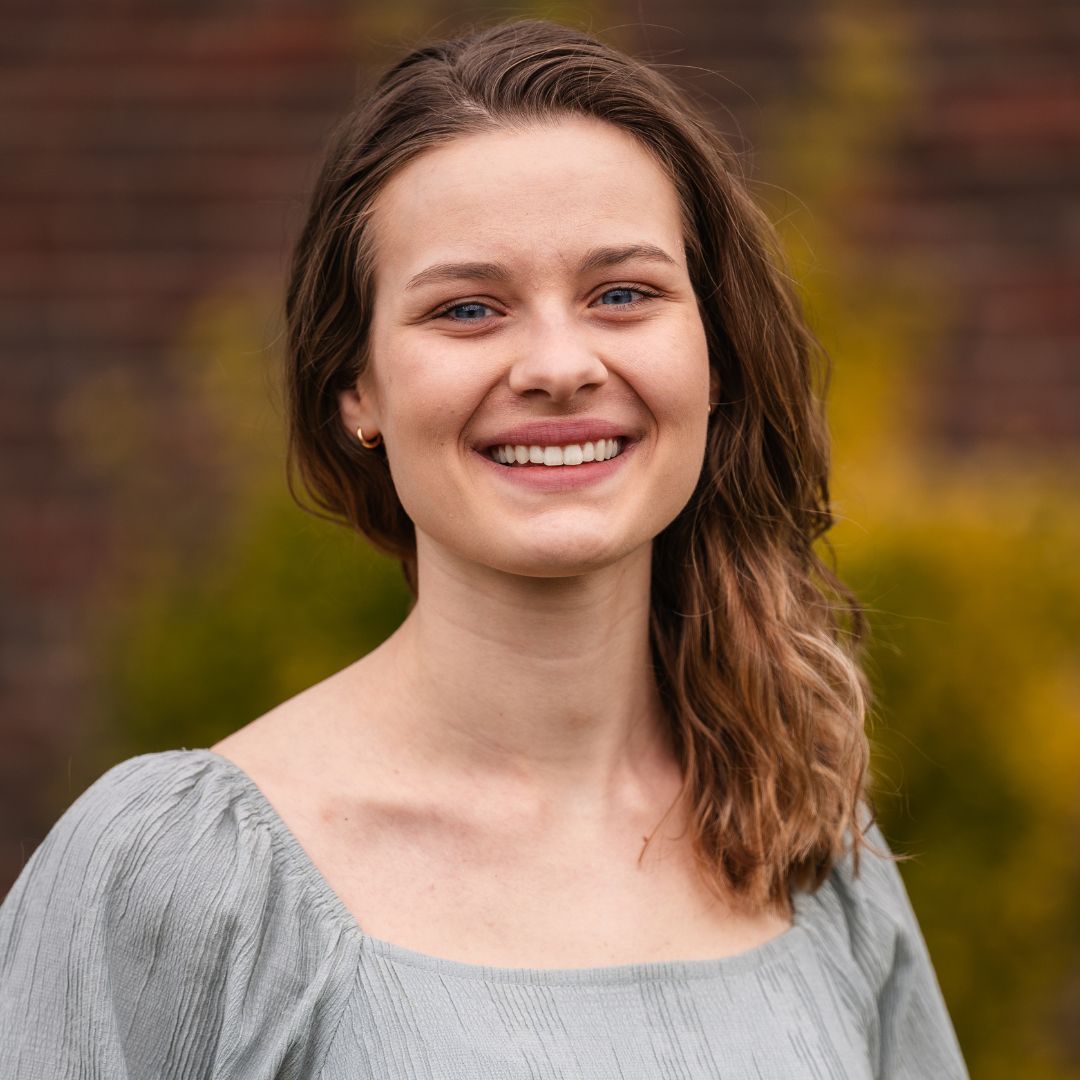
Adelina: Honestly, I think I was somewhat surprised by the finished product. It is always a surprise to get to the end of a piece and realize that it is nothing like whatever you might have imagined you were going to write at the beginning.
Was there a moment in the process — a line, a chord, an image — where you felt the piece truly come alive?
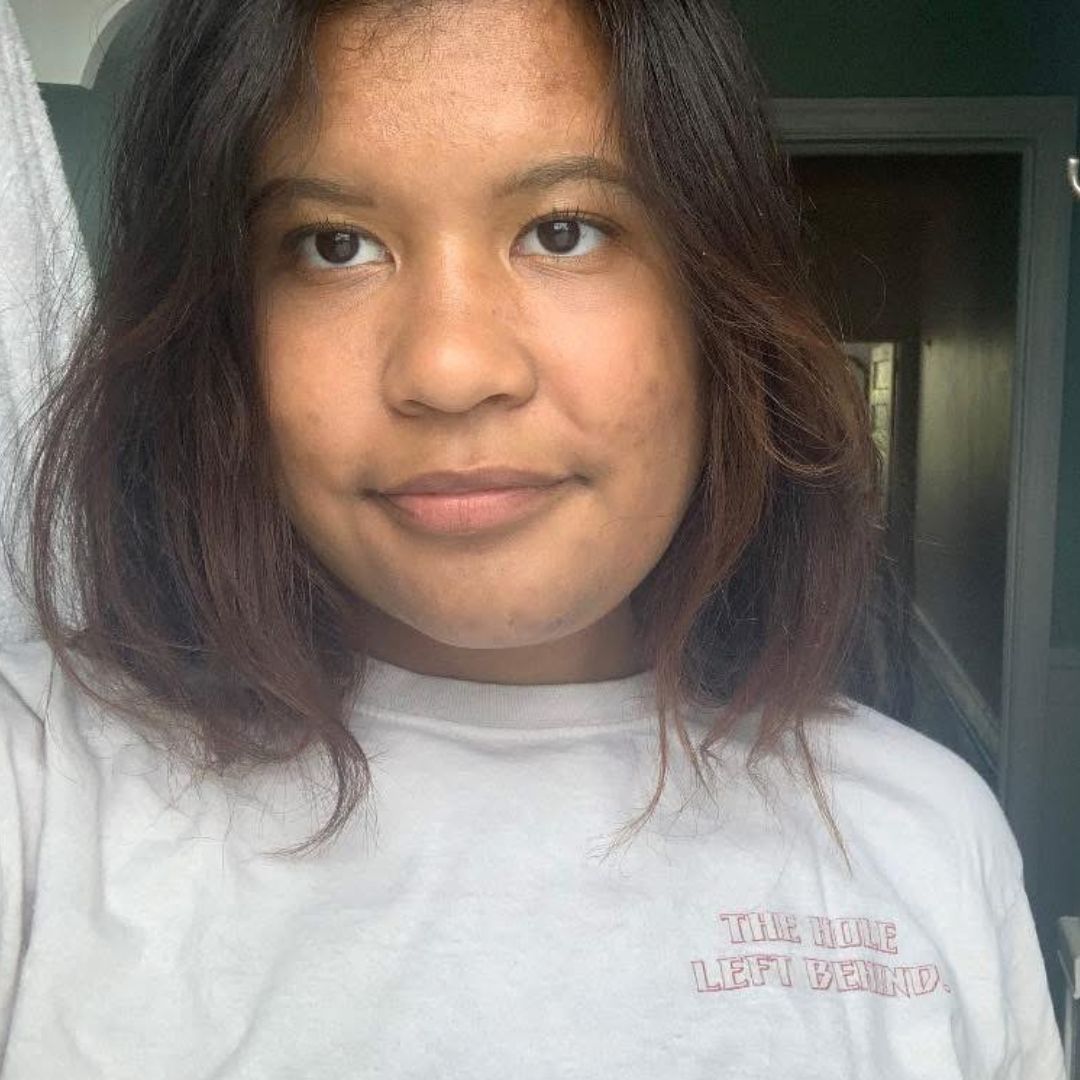
Haley: Adelina went beyond my expectations in her arrangement, specifically in reworking the line "gentle hums remain" into a beautiful, haunting moment.
Adelina: The work turns a musical corner about three quarters of the way through the piece with the words “Pick a flower, leave a note, ask a loved one, ask yourself…” There’s a lushness to this moment which provides a sonic relief to the introspective grief which came before and moves the listener from a posture of introspection to one of outward facing openness.
What question about America's past, present, or future were you most compelled to explore through your piece?
Haley: I am intrigued by the number of unmarked graves and repurposed burial sites that have existed throughout our history. The combined sonder and grief of walking through these public parks that have covered the final resting place for so many individuals brought me to question my own life's legacy.
What do you hope someone in the audience is thinking or feeling in the moments after your piece ends?
Haley: I wish to provide folks with an opportunity to mourn without focusing on the mechanics of death; I want people to think of their loved ones' lives and truly ask themselves what they can do to honor their memories.
Adelina: This piece centers around the imagery of a grave. I hope that this symbol of death prompts someone to reflect on death in a way that is formative for the present. For myself, two questions come to mind in response to this poem: How do we steward the death of loved ones in a way that transforms our lives now? And how should the prospect of our own death, and of an eternity beyond the grave, put into perspective all the details of our lives on earth?
Our Distinguished Mentors
We are deeply grateful to our exceptional mentors who generously contribute their expertise and artistry to this program.
Our Poet Mentors: Kayleb Rae Candrilli, Steven Kleinman, Elizabeth Scanlon, Raena Shirali, and Kirwyn Sutherland.
Our Composer Mentors: Erin Busch, Andrea Clearfield, Rollo Dilworth, Dominick DiOrio, and Melissa Dunphy.
Together, these distinguished artists represent the rich creative diversity that makes Philadelphia's artistic community so vibrant. Their mentorship is invaluable as we work to nurture the next generation of creative voices in our community.